

Prism scopes have become one of the fastest-growing optic categories among shooters looking for a compact sight with an etched reticle, fixed magnification, and improved performance for astigmatism.
However, before buying a prism scope, most users are not asking, “What is a prism scope?”
Instead, they are asking practical questions:
• Is the eye relief comfortable?
• Is the eye box/exit-pupil too restrictive?
• Is the reticle clear enough?
• Should I buy a prism scope instead of a red dot?
• Is a prism scope still worth buying when LPVOs exist?
• Will the mount work on my rifle?
Quick Summary: The Biggest Prism Scope Problems Users Discuss
| User Concern | Why It Matters |
|---|---|
| Eye Relief | Affects comfort and shooting speed |
| EyeBox/Exit-Pupil | Determines how forgiving the optic feels |
| Reticle Size | Can improve or hurt target visibility |
| Astigmatism Performance | Major reason many users switch from red dots |
| Prism vs Red Dot | Most common buying comparison |
| Prism vs LPVO | Popular alternative in the market |
| Mount Compatibility | Determines whether the optic fits the rifle properly |
| Weight and Balance | Influences handling characteristics |
1. Eye Relief and Eye Box Are the Biggest Prism Scope Concerns
The most frequently discussed prism scope problem is eye relief.
Unlike red dots, prism scopes require the shooter to position their eye within a specific distance behind the optic.
This requirement creates another related concern: eye box.
The eye box refers to the area where your eye can move while still maintaining a full sight picture.
A forgiving eye box makes target acquisition feel natural. A restrictive eye box can make the optic feel slow, especially during rapid shooting or awkward shooting positions.
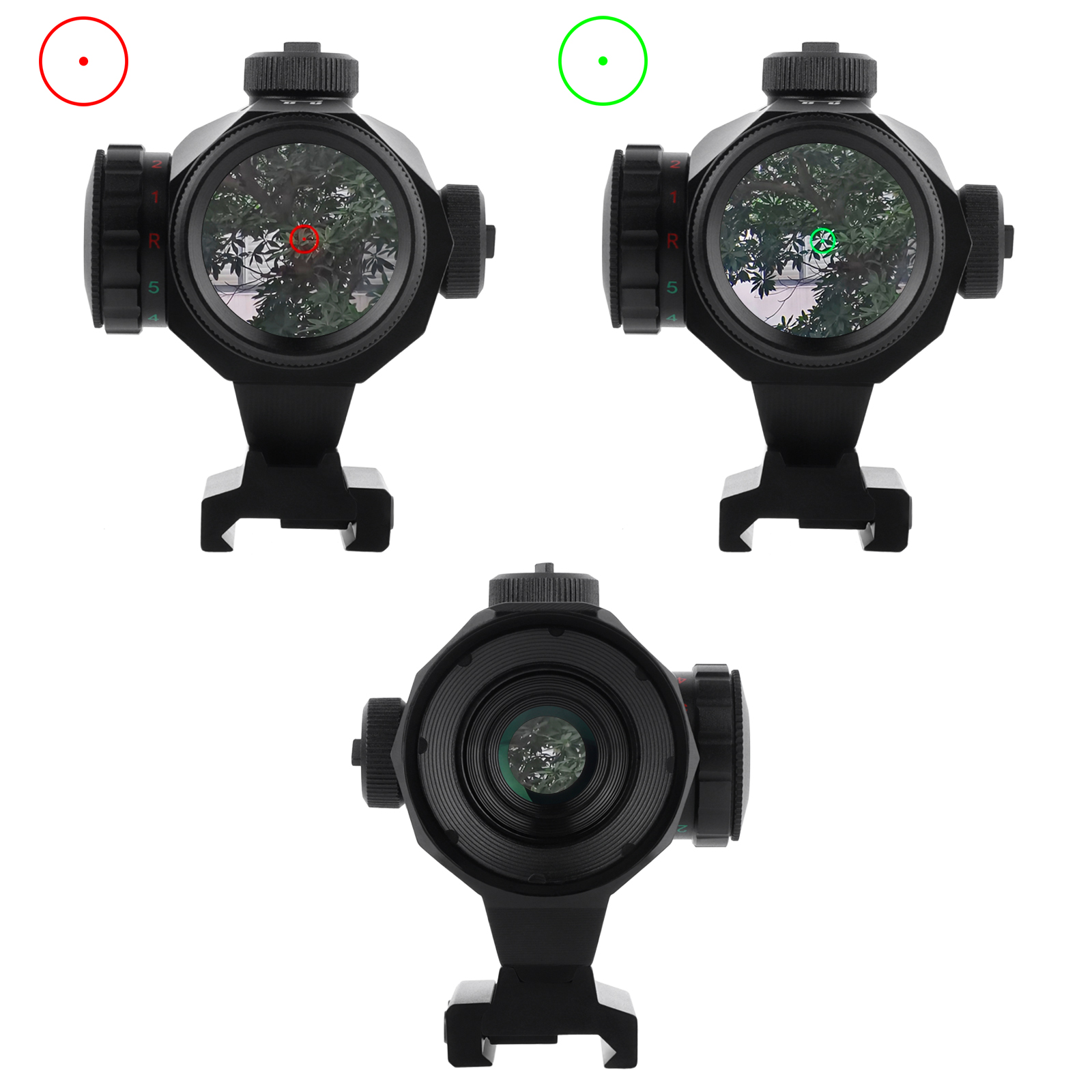
Different eye positions can change the sight picture. Proper eye relief and eye box alignment help a prism scope provide a full, clear view.
What Buyers Actually Want
For a 1x prism scope:
• Fast target acquisition
• Wide field of view
• Minimal eye position sensitivity
For a 3x or 5x prism scope:
• Reasonable eye relief
• Consistent sight picture
• Comfortable shooting posture
Many negative prism scope reviews are not caused by poor glass quality. They are often caused by an eye box that feels too tight for the intended application.
When evaluating a prism scope, buyers should pay close attention to:
• Eye relief specifications
• Field of view
• Mounting position flexibility
• Intended shooting distance
These factors often matter more than magnification alone.
2. Reticle Design Can Make or Break a Prism Scope
Many brands underestimate how important reticle design is.
Users regularly complain when a reticle is:
• Too large
• Too busy
• Too bright
• Too thick
• Covering too much of the target
One of the biggest advantages of prism optics is the etched reticle.
Unlike a projected red dot, an etched reticle remains visible even when illumination is turned off or the battery fails.
For shooters with astigmatism, the reticle often appears significantly sharper than a traditional red dot.
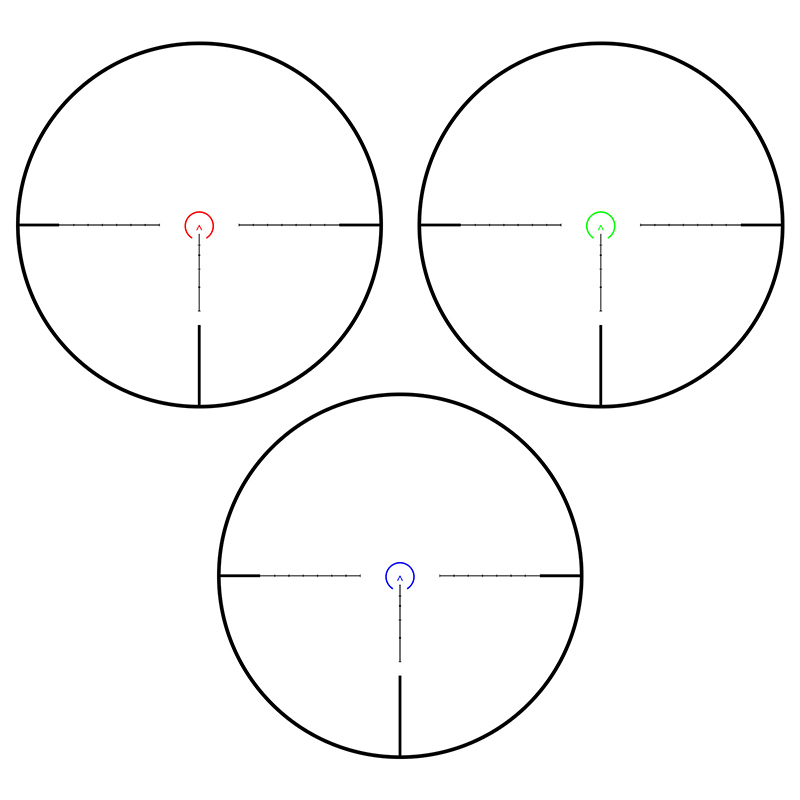
Focuhunter prism scopes feature adjustable illuminated reticles with multiple color options for different lighting conditions.
A Good Prism Reticle Should Be
• Fast at close range
• Precise at longer distances
• Visible in low light
• Unobtrusive on small targets
• Easy to learn and remember
This is why many successful prism optics offer multiple reticle options, including:
• Center Dot Reticles
• Horseshoe Reticles
• Chevron Reticles
• BDC Reticles
• Illuminated Etched Reticles
3. Prism Scope vs Red Dot: Why Users Consider Switching
One of the highest-volume searches in the optics industry is “Prism Scope vs Red Dot.”
The primary reason users consider switching is astigmatism.
Many shooters report that red dots appear:
• Blurry
• Star-shaped
• Streaked
• Distorted
A prism scope’s etched reticle often solves this issue.
Another advantage is reliability.
Because the reticle is physically etched into the glass, the aiming reference remains usable even if the battery fails.
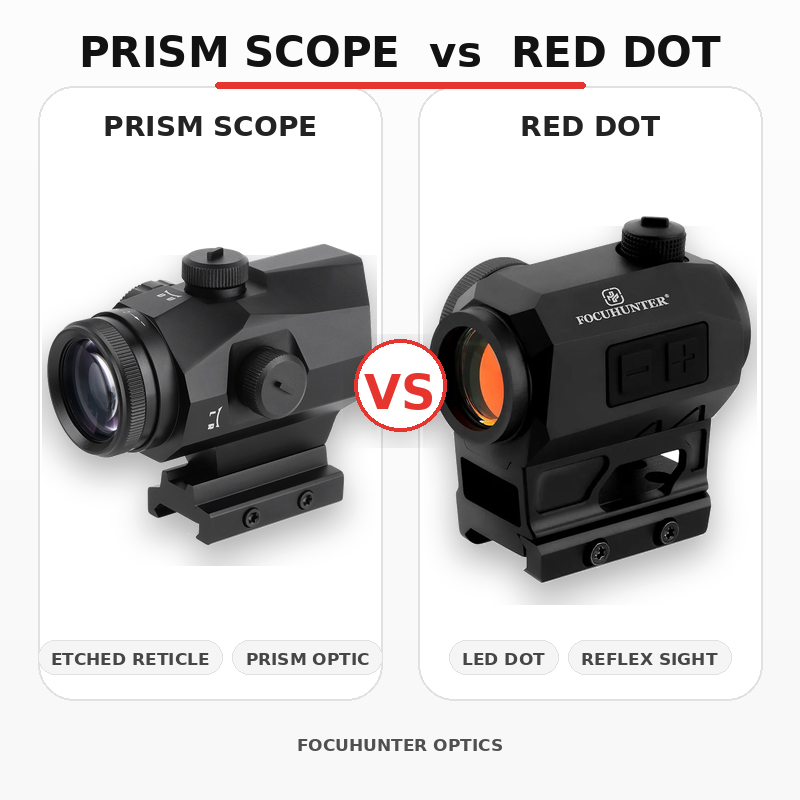
A side-by-side comparison of a Focuhunter prism scope and red dot sight, highlighting etched reticle prism optics versus LED dot reflex sight design.
Why Some Users Still Prefer Red Dots
Red dots remain popular because they offer:
• Unlimited eye relief
• Extremely forgiving eye position
• Lightweight designs
• Faster close-range performance
The most honest comparison is not:
“Prism scopes are better than red dots.”
The more accurate statement is:
“A prism scope is a strong alternative for shooters who value reticle clarity, astigmatism performance, and battery-independent aiming.”
4. Prism Scope vs LPVO: Are Prism Scopes Still Relevant?
Another common concern is whether prism scopes have become obsolete because LPVOs are so popular.
The answer is no.
LPVOs and prism scopes serve different roles.
Advantages of LPVOs
• Variable magnification
• Greater flexibility
• Better long-range capability
Advantages of Prism Scopes
• Smaller footprint
• Lower weight
• Simpler operation
• Fewer moving parts
• Durable etched reticles
For many shooters, a 3x prism scope remains the perfect middle ground between a red dot and an LPVO.
The key question is not:
“Which optic is best?”
The real question is:
“Which optic best matches my rifle and shooting distances?”
5. Mount Compatibility Is More Important Than Many Buyers Expect
Another recurring topic is mounting compatibility.
Buyers frequently ask:
• Will this fit my AR-15?
• Does it work with carry handle builds?
• Can I use an offset red dot?
• Is the included mount the correct height?
• Can I add a piggyback red dot?
6. Weight and Balance Are Often Overlooked
Magnification and glass quality receive most of the attention.
Weight rarely does.
However, once mounted on a rifle, weight becomes noticeable very quickly.
Many shooters choose prism optics specifically because they want:
• Less weight than an LPVO
• More capability than a red dot
• Better balance on compact rifles
For general-purpose rifles, overall handling often matters more than maximum magnification.
A lighter rifle tends to be faster, more comfortable, and easier to carry throughout the day.
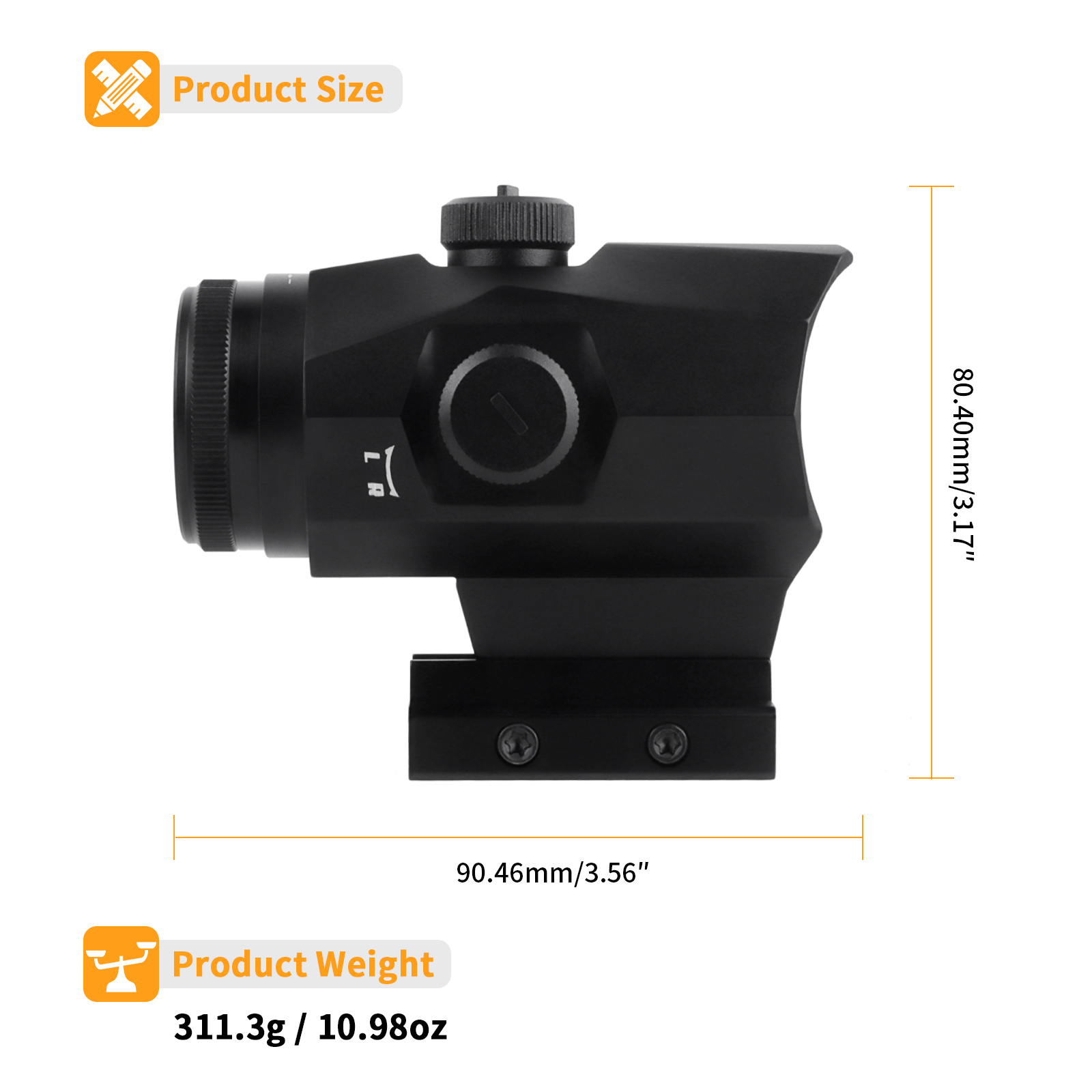
The Focuhunter 1X20 prism scope features a compact 90.46mm body and 311.3g lightweight design for easier mounting, carrying, and handling.
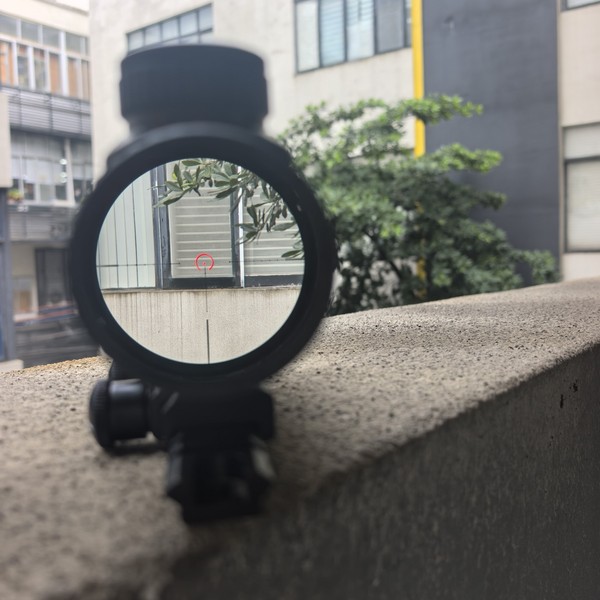
The illuminated reticle on a Focuhunter LPVO helps provide a clear aiming point for faster target acquisition in different lighting and background conditions.
Why FOCUHUNTER Optics Focuses on Practical Prism Scope Design
At FOCUHUNTER Optics, prism scope development begins with the concerns shooters discuss most often.
We focus on:
• Clear etched reticles
• Comfortable eye relief
• Practical mounting solutions
• Reliable illumination systems
• Durable construction
• Versatile platform compatibility
For distributors, wholesalers, and OEM partners, understanding these concerns is essential because modern buyers research optics in greater detail than ever before.
The most successful prism scopes are not simply those with impressive specifications.
They are the ones that solve the problems shooters care about most.
Frequently Asked Questions
Are prism scopes good for astigmatism?
Yes. Many shooters with astigmatism find etched reticles significantly clearer than projected red dots.
Is a prism scope better than a red dot?
Not necessarily. Red dots are generally faster at close range, while prism scopes offer etched reticles, magnification options, and battery-independent aiming.
Is a prism scope better than an LPVO?
It depends on the application. LPVOs offer flexibility, while prism scopes prioritize simplicity, compact size, and durability.
What should wholesale buyers evaluate before ordering prism scopes?
Important considerations include reticle type, magnification, eye relief, field of view, mounting compatibility, illumination system, durability testing, packaging requirements, and OEM customization capabilities.
Do prism scopes lose zero easily?
Quality prism scopes typically hold zero very well when properly mounted and torqued according to specifications.
Can a prism scope be used for home defense?
Yes. Many shooters prefer a 1x prism scope for defensive applications, particularly when they want an etched reticle instead of a red dot.